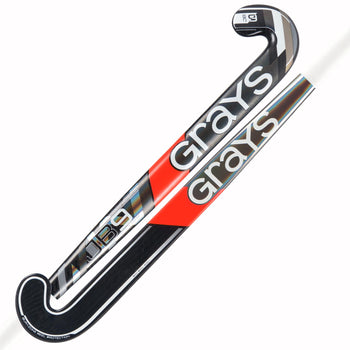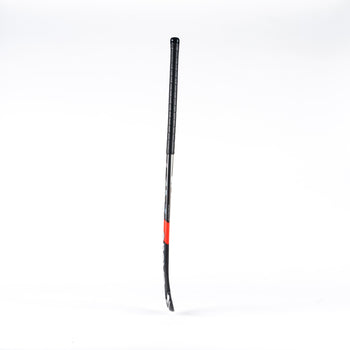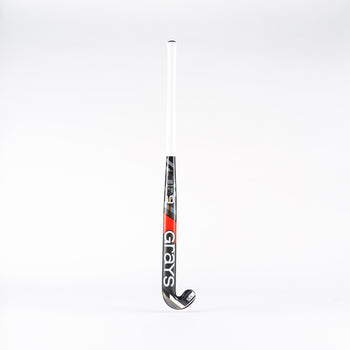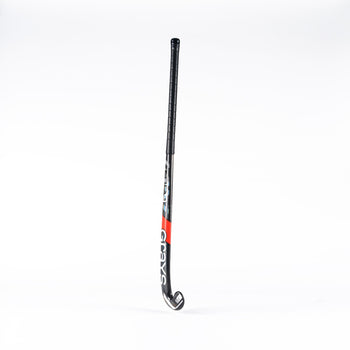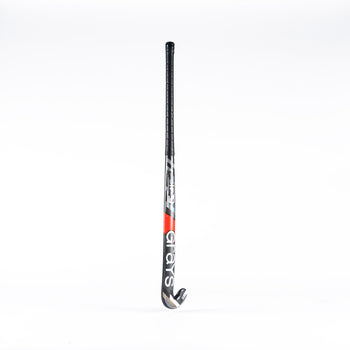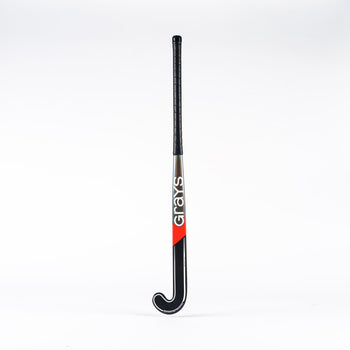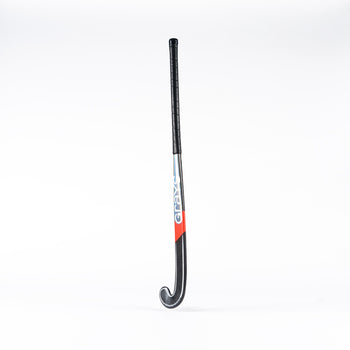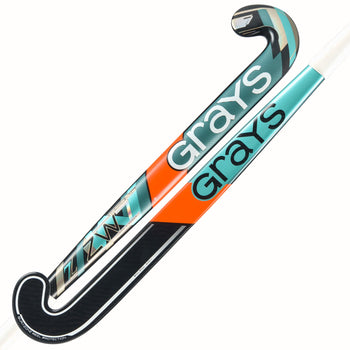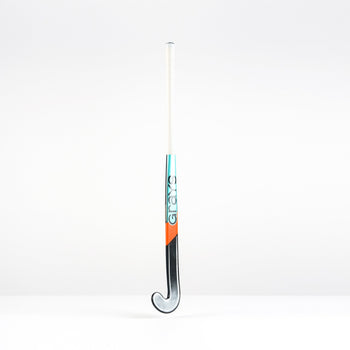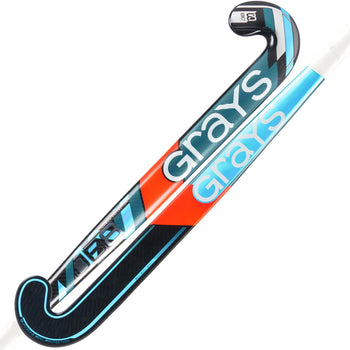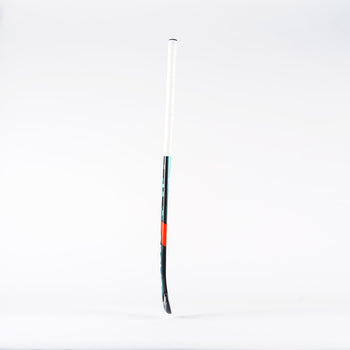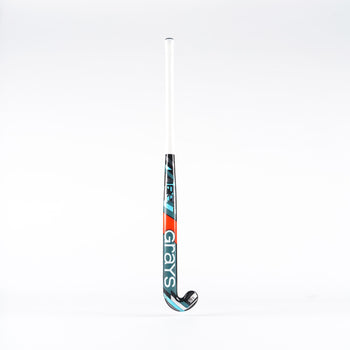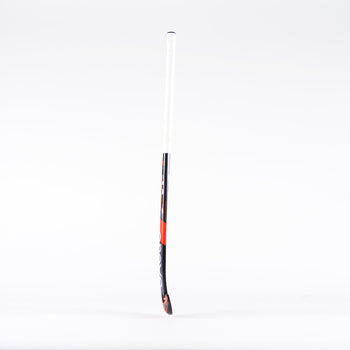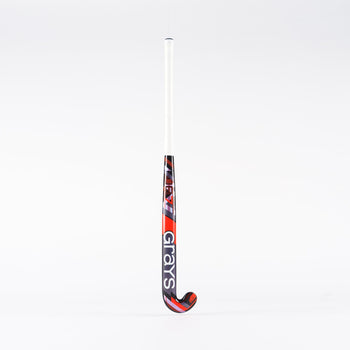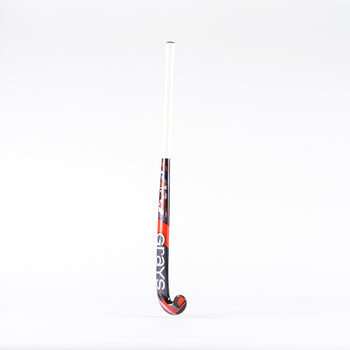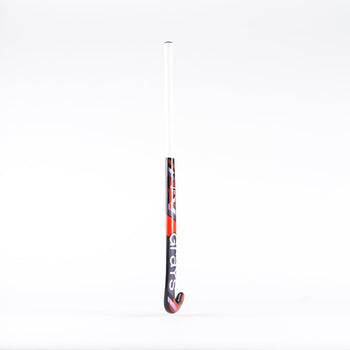


The injection’s accuracy is pinpoint. The trap? Clean. You’ve now got a fraction of a second to decide where you’re placing that ball. Do you hit top bins? Maybe bottom corner? We’ve all been there. Those same thoughts rush through the heads of those brave enough to step up at a short corner. Well, we’ve asked our elite Grays Hockey internationalists how they prepare for those very occasions, and there’s a few things to consider - how you train, how you recover, which Grays Hockey Stick to use... In this blog, we dive into their mindset, habits, and advice - so you can start turning your drag flick into a consistent goal-scoring threat.
1. What Is A Drag Flick?
The drag flick is a technical, powerful, and highly accurate shooting technique, used to efficiently score at short corners by almost ‘slinging’ the ball using the bow of your hockey stick profile - all without a traditional hit. You have to almost drag the ball from higher up the stick, travelling down to the head to release the shot - using a motion that combines body rotation, weight transfer, and a powerful wrist snap.
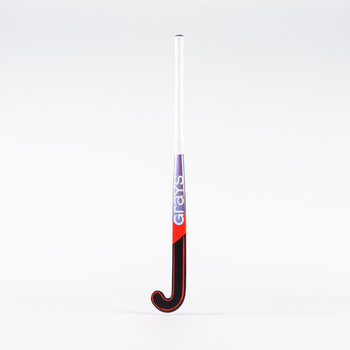
The drag flick is arguably the most specialist skill in the game, but as we know, it’s also one of the hardest to truly master! When it clicks, it feels effortless: the ball slings off your stick, travelling at pace to exactly where you want it. Getting to that point? Well, that’s where the real challenge lies... Here’s what our players, who both use the Grays Hockey JB Range, Fred Newbold (Wales and Great Britain) & Tomi Domene (Argentina), had to say.
2. How Do You Prepare For Drag Flicks In The Game?
Fred’s response:
“For me, preparing for dragflicks in game all comes off the back of the large bank of training that I have done over the years. When it comes to the game I am only thinking about executing my flick to the best of my ability and not worrying too much about technique - you have practiced enough for that. I will choose where I am flicking the first corner before the game so I don't have to make that decision on the pitch which simplifies the process and I will usually go through a similar process before I flick each corner. I use video footage pre-game to study the goalkeepers as well as the corner defence to inform my flicking. However, this combines with my own strengths and what I think my best flick is. So overall, flicking in game is a combination of finding a potential window of opportunity versus specific goalkeepers as well as confidence in my own ability to flick to the ball in my preferred spots.”
Tomi’s response:
“I always analyse the defensive corner during the week, depending on the opposition we’re playing at the weekend, and based on that I draw up an offensive corner plan that includes areas to aim for or variations that might work. I analyse the goalkeeper’s position, the positions of the defenders, where is the stick when they’re running, whether they slow down or not, and with that information I train during the week so that it becomes more automatic at the weekend. I also do a bit of visualisation before the match.”
What have we learnt? Preparation is key. Both players emphasise that successful drag flicking in games is built on preparation long before match day. Ultimately, it’s a balance between detailed preparation, trusting your strengths, and executing with clarity under pressure.


3. How Does Your Choice of Stick Affect Your Ability to Drag Flick?
Fred’s response:
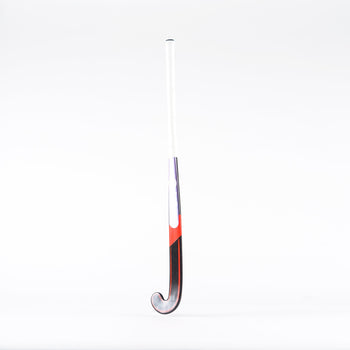
“Flickers tend to use lower bows to help aid the dragflick (such as Grays Hockey JB or PB). In practice, this helps to get more of a whip on the ball which can help with flicking speed as well as the ability to flick in all areas of the goal. For me, I use the JB mould as I find it provides the best balance between flicking and overall play. I know other flickers prefer to use a straighter stick but it is personal preference and also down to your technique. In my opinion, to be a top flicker you should be able to flick with a straighter stick, the bow just helps put the icing on the cake!”
Tomi’s response:
“I believe that choosing the right stick is one of the most important factors when taking corners! Every player has different preferences when it comes to choosing a stick. It might depend, for example, on where the weight is distributed, whether it has a lower bow or not, whether it has a groove in the face of the stick, and this also depends on each player’s technique. My personal choice is always for lightweight sticks with the balance in the middle so the head isn’t too heavy, with a more traditional lowbow (I use the JB10) - I generate a lot of rotation when flicking, and with too much of an extreme bow, the ball sometimes goes wide if I rotate too much...”
Low bow Grays Hockey sticks, such as the JB or PB range, are commonly favoured as they help generate more energy transfer, lift, and speed on the ball - making it easier to accurately target different areas of the goal. However, factors like weight distribution, balance, and feel are just as important, influencing control and consistency. While the right stick can enhance your drag flick, it’s clear your choice of stick should complement your natural technique - serving as an advantage rather than a dependency!
4. How Do You Recover & Train Your Body...
Fred’s response:
“With Great Britain we have a specific set of activation and preparation exercises that we do before training sessions to help us flick better. A lot of this is centered around rotational strength, core stability and then being powerful and controlled in the shapes that you replicate when you flick. We also incorporate specific gym exercises to further help this. It's also important to recognise the physical toll that flicking takes on your body giving that it is a maximum effort every single time. To mitigate this, I try to do some specific prehab exercises to prevent overuse injury and to increase my robustness. Top tip: always finish a flicking session with some backhands!”
It's clear that maintaining and improving your drag flicking ability relies heavily on physical preparation and recovery. Key areas of focus include rotational strength, core stability, and building power and control in movements that replicate the flicking action. Structured warm-ups, gym work, and targeted prehab exercises all play a role in enhancing performance while reducing the risk of injury. At Grays Hockey, we partner with globally renowned former England & Great Britain strength and conditioning coach Tom Drowley – the founder of Nth Degree Performance. Click here to read our blog and understand how he can help you strategically prepare and maintain your body for activities such as drag flicking!


5. What Are Your 3 Top Tips to Consider When Drag Flicking?
Fred’s response:
“Number 1 is 100% to develop a repeatable and consistent technique before you worry about speed. If you are only focused on getting big and flicking the ball hard then you will become unstuck later on - make sure you find a technique that works for you. Number 2 work on specific exercises in the gym to help improve your strengths in key positions on the dragflick. This specific training will help you to develop that extra few km/h that are so important at the top level. Number 3 is definitely to not give up. Flicking is a difficult skill and one that takes years to perfect. I started flicking quite late and it was largely self-taught and so I have gone through many different iterations of my technique to get to where I am now. However, I know that I still have many years of training before I become a top flicker. You shouldn't be disheartened by not getting opportunities in games as they will come. Try to practice as much as possible in the off-season - the more balls you flick, the better you will get.”
Tomi’s response:
“Firstly, keep the ball behind your body when crossing your legs, and always keep the stick behind the line of the ball so that the ball follows a straight line, and you can decide which side of the goal to shoot at at the end. Secondly, make sure the ball rolls from the hook of the stick towards the centre and back, lowering your wrists to the ground so you use all the power from your arms, legs and core rotation. If you drag flick using only your arms, you aren’t using all the power you have. Finally, accelerate in the final part of the movement and finish by leaning forward to gain more speed and create a feint. The drag must be progressive, starting at 30% and building up to 100% by the end (left foot).”
6. How To Train & Improve Your Dragflicks?
Fred’s response:
“I try to add one individual session every fortnight that includes just flicking. This is on top of the club and international training that I do. As with most skills, repetition is the key to improvement and so try to get down to a pitch as much as you can to improve. A lot of the work actually comes in the summer, out of club season so I would say try to get your reps in then. Also, it's always good to watch other flickers and try to incorporate different parts of their technique. Everyone is different and with flicking it isn't a one size fits all situation but there are many steps that are generally transferable that you should include in your flick. Pick a flicker that lines up with your technique as much as possible and start to replicate it over and over again. Filming yourself and your technique is also a measurable way of tracking development and that has really helped me personally. It's also very important to remember where you have come from in order to actually understand the progress you need and sometimes this motivation is very important to keep going!”
Consistent, focused repetition and taking ownership of your individual development is key. Adding dedicated flicking sessions alongside regular training helps build muscle memory, especially during off-season periods when you can maximise reps! Don’t forget, you can’t pull off the perfect drag flick each time, stay motivated and continuously aim to develop!
7. Grays Hockey Jumbow Range – An Icon For Decades
While technique and practice are essential, your choice of hockey stick plays a huge role in unlocking your drag flicking potential. The shape of your stick, the balance points, the placement of the bow and profile can all significantly influence how effectively you generate power, accuracy and control.
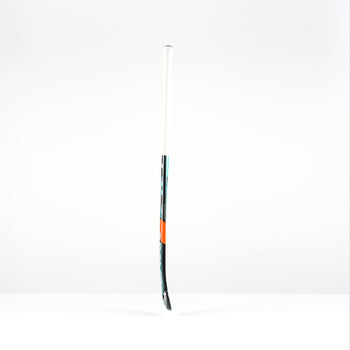
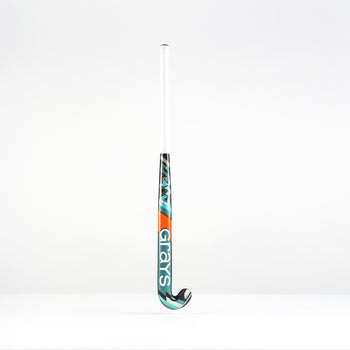
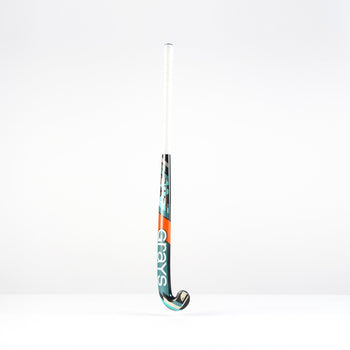
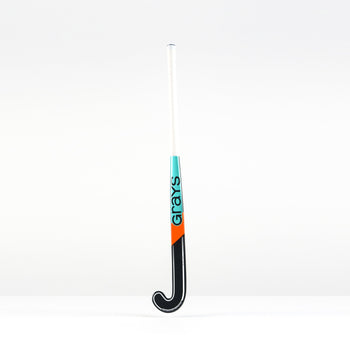
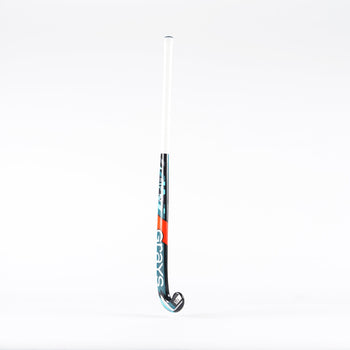
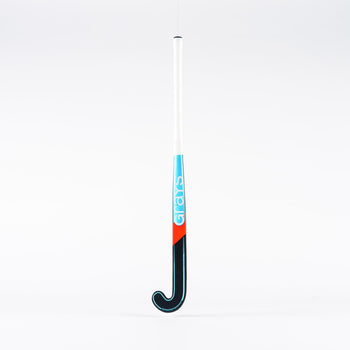
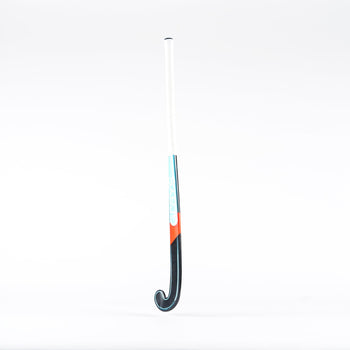
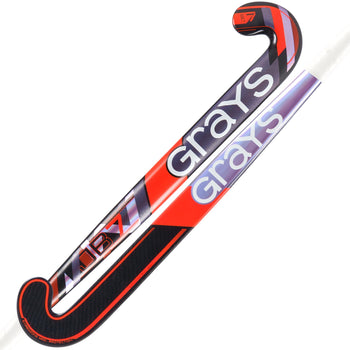
The Grays Hockey JB Range has been specifically engineered with drag flickers in mind. Featuring an ever-popular low bow profile and optimised weight distribution, this range helps players naturally generate the movement and energy transfer when executing the drag flick motion. What’s the result? Faster, more accurate flicks without losing control.
Interested in learning more about the JB range? Click through to read our exclusive blog - “The Grays Hockey Jumbow: An Icon In The Sport”.