

Defenders do far more than stop goals. They start attacks, organise the team and stay calm under pressure. Looking for the best hockey defending tips? We asked two Grays Hockey international defenders, Germany's Nikas Berendts and Ireland's Sarah McAuley, to share their top tips for defending, from winning 1v1s to playing out from the back.
Here's what it takes to master the position.
Meet the Defenders
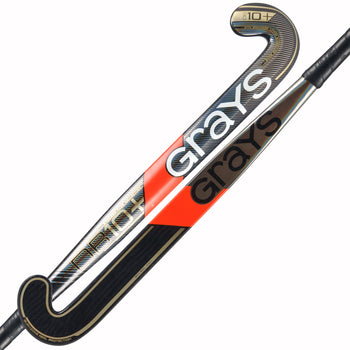
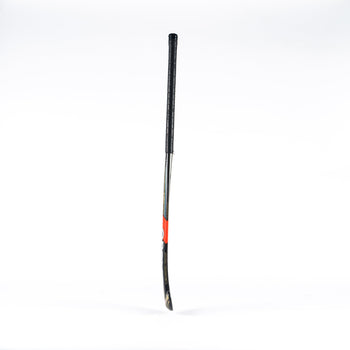
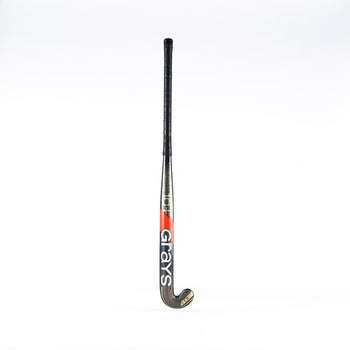
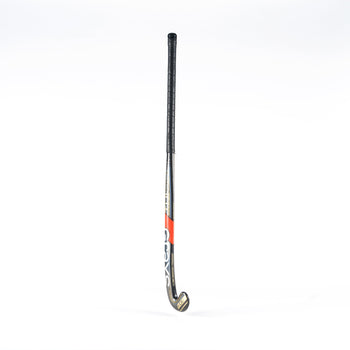
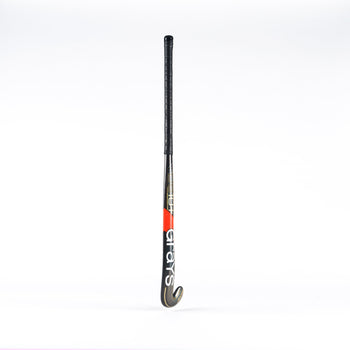
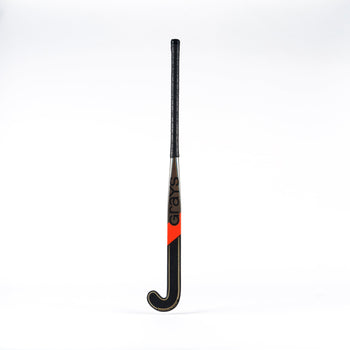
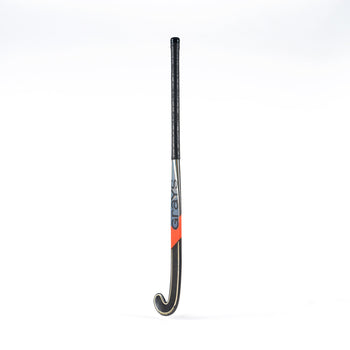
Nikas Berendts (Germany, Münchner SC) is a centre back and drag flicker who uses the JB10. Sarah McAuley (Ireland, KHC Dragons) is a defender who uses the DB10+.
1. How Did You Become a Defender?
Not every hockey defender starts at the back. Playing in different positions builds the skills and understanding of the game that great defenders rely on.
That was true for both of our players. Nikas began as a striker:
“I started out as a striker in my youth playing upfront. Then growing older in my U14 years I moved to midfield and only in the U16 I was put into the centre back, as my coach thought I could control the game better from the back than the front.”
From there, he developed his passing and vision, and found he loved defending and distributing the ball. As a drag flicker, he never lost his hunger for goals either. Want to add drag flicks to your game? Read How To Improve Your Drag Flicking.
Sarah also moved around the pitch before settling in defence:
“I’ve played in different positions throughout my hockey journey, but over time I found my place in defence. I really enjoy being able to read the game, win the ball back and help build attacks from the back.”
She’d encourage young players to do the same: “I think playing different positions when you’re younger is really valuable, as it helps you understand the game from different perspectives.”
2. What Makes a Great Hockey Defender?
The best hockey defenders combine anticipation, communication and composure.
For Sarah, it comes down to awareness and composure:
“I think a great defender needs to be able to read the game, communicate well and stay composed under pressure. You need to be good at anticipating what the attacker is going to do, rather than simply reacting to it.”
For Nikas, a great defender on the ball has the vision to pick out passes and control the game, knowing where to start the attack and which side has more of your teammates. It also means “not wanting to do everything on your own, but being happy with giving the ball to and putting your teammates into a good position to continue the attack.”
Off the ball, it’s about the drive to win 1v1s, keeping a clean sheet and understanding tactics. Like Sarah, he puts communication at the centre of it, saying a defender needs to be “loud and communicative, as you are structuring and organising the whole team from the back.”


3. How to Win 1v1s in Hockey
To win 1v1s in hockey, be patient, read the attacker’s next move, stay on your feet and time your tackle.
Nikas and Sarah give the same first piece of advice: be patient. As Nikas explains, “Most of the time, strikers will make a mistake on their own.” He also recommends “anticipating what their next move is and being one step ahead so you can jump in front of your attacker at the right moment to intercept, and make the tackle at the right time.”
Sarah agrees that patience is everything: “My biggest tip would be to stay patient and don’t dive in too early. Footwork is key!”
When the moment does come to make the tackle, you have to be brave and commit. As Nikas points out, good defenders will get hit by the ball now and then, so he says you should always wear gloves and a mouthguard. On match day, he plays in the Grays Touch Glove and Grays G900 shin pads. Make sure you’re protected too, with the right gloves, shin pads and a Grays mouthguard.
4. Hockey Tips for Young Defenders
Young defenders should aim to become all-round players. Master passing, receiving and the aerial, keep calm on the ball and don’t be afraid to keep it simple.
Sarah’s top tip is: “Don’t just focus on defending, work on becoming a really good all-round hockey player.”
Sarah recommends spending time “developing your passing, receiving, hitting and decision making, as these skills are essential for building attacks from the back.” As she puts it, “The best defenders are not only difficult to get past, but they also give their team confidence on the ball and help create opportunities going forward.”
Her final word for young defenders: “Trust yourself, keep learning and don’t be afraid to make mistakes along the way!”
Nikas also puts the basics first, with a reminder to keep things simple:
“Enjoy simple hockey. Don’t always look for the dream pass; sometimes the easy pass is the best option you have.”
Nikas says: “Train your passing, so that playing a low, hard ball with different techniques becomes a basic skill. Also, practise your aerial. It is an important weapon to start an attack and break the press,” and above all: “Keep your calm. Sudden and hectic moves often break the defensive concentration.”
Choosing your first serious stick? Read our Junior Hockey Stick Buying Guide.
5. The Best Hockey Sticks for Defenders
The best hockey sticks for defenders combine power for long passes and aerials with enough control to receive the ball cleanly under pressure.
Both players rely on their sticks for powerful passing out from the back. Here's why they chose them.
Nikas: Grays JB10
“As I am a defender I need power for my passing in the build up. The weight balance and power on the JB10 is perfect for that, combined with the Jumbow shape I can throw a good aerial. The softness of the material is perfect for receiving and basic skills.”
Also see: Grays Hockey Jumbow Range: An Icon in the Sport
Sarah: Grays DB10+
“As a defender, I love the DB10+'s reverse edge most. It generates so much power, particularly on reverse hits and passes, while still giving me excellent control. The stick shape allows me to execute skills consistently and gives me confidence in possession.”
Find out more: Is The Grays DB+ The Best Hockey Stick For You?
Still deciding? Read What Is The Best Hockey Stick For Defenders? or explore the full Grays hockey stick range.
Their Match Day Kit
Nikas: Grays Touch Glove and Grays G900 shin pads
Sarah: Grays Twintex Grip in Fluo Pink and the Grays Cyclone bag
Ready to Step Up Your Defending?
Take these hockey defending tips to your next training session and find the stick that suits your game in the Grays hockey stick range.
Coming next in our Top Tips series: midfielders and forwards. Until then, read What Is the Best Hockey Stick For Midfielders?